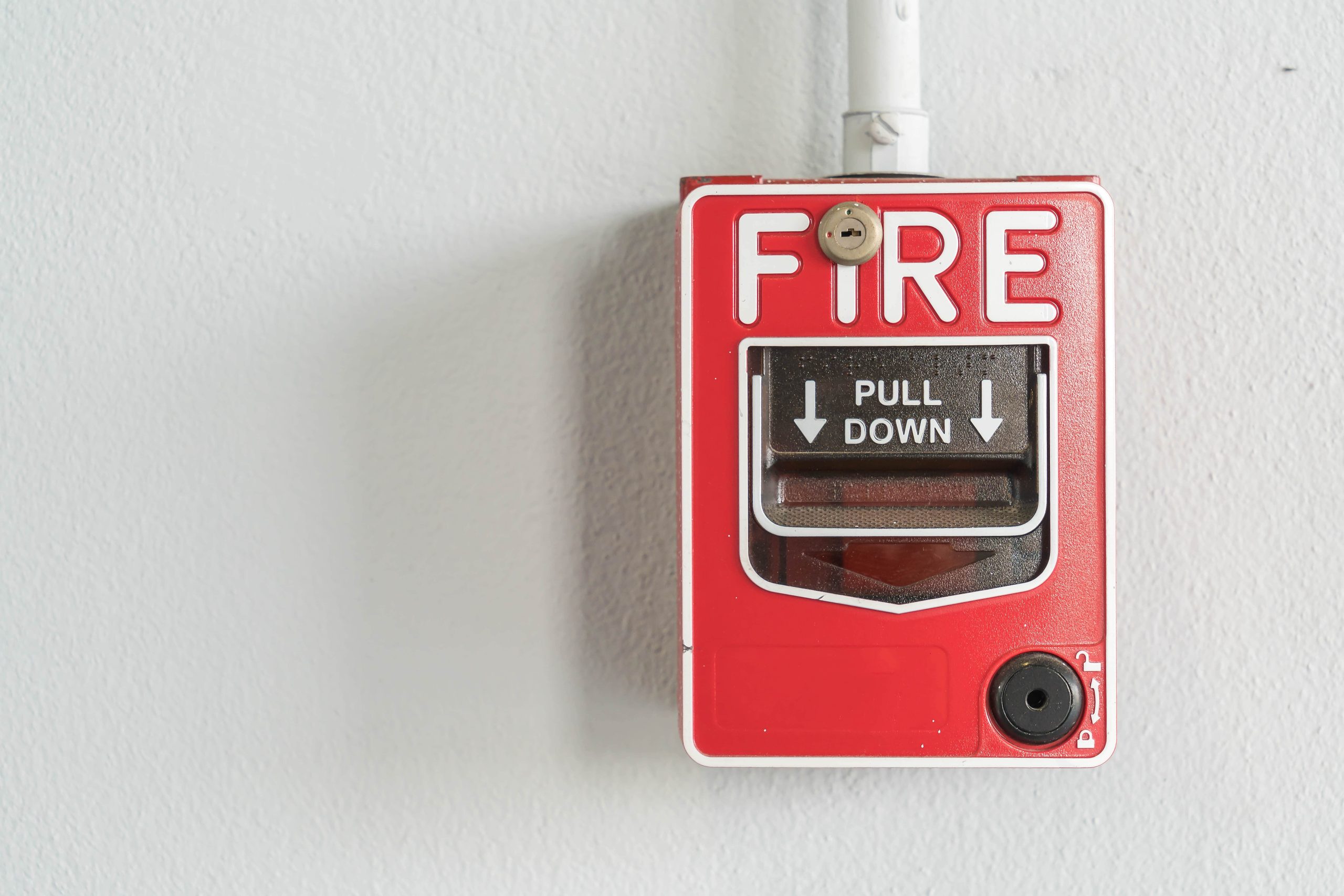


IT services for hospitals and clinics in Kenya have become essential, not optional, because when systems go down, patient care is put at risk.
This is why IT services for hospitals and clinics in Kenya have become essential, not optional. When systems go down, patient care is put at risk.
From large referral hospitals to smaller clinics, healthcare providers across Kenya are under pressure to digitise. Patients expect faster service. Regulators expect secure records. Staff need systems that work, not ones that slow them down.
But many healthcare providers are still running on outdated systems, unreliable networks, and little to no cybersecurity protection. This puts patient data, daily operations, and even patient safety at risk.
This article explores the technology challenges facing hospitals and clinics in Kenya and the IT services that help healthcare providers stay secure, compliant, and ready to grow.
Protecting Patients Starts With Protecting Your Systems
Is Your Facility’s Technology Keeping Up?
Reliable IT services help hospitals and clinics protect patient data and reduce downtime.
Why Healthcare Providers in Kenya Need Reliable IT Services
Healthcare is one of the most data-sensitive industries in the country. Every patient interaction creates data. This includes medical history, lab results, billing details, and insurance information.
That data has to be available when staff need it. It also has to stay protected at all times.

Technology now supports nearly every part of healthcare delivery in Kenya, including:
- Electronic Medical Records (EMR) systems
- Laboratory and diagnostic equipment integration
- Billing and insurance processing
- Appointment scheduling and patient communication
- Multi-branch clinic connectivity
- Cloud-based data storage and backup
- Telemedicine and remote consultations
As more hospitals and clinics adopt these systems, the need for dependable IT infrastructure grows. Without it, small technical problems can quickly turn into major disruptions to patient care.
Common IT Challenges Facing Hospitals and Clinics in Kenya
Healthcare providers face a unique set of technology challenges. Many of these challenges are made worse by limited IT budgets and small internal teams.
Unreliable Networks
Slow or unstable internet connections disrupt access to patient records. This is especially difficult during emergencies, when every second matters.
Cybersecurity Risks
Hospitals and clinics store some of the most sensitive personal data that exists. This makes them attractive targets for cybercriminals. A data breach does not just risk fines. It risks patient trust.
Multi-Branch Coordination
Many hospital groups in Kenya operate a main facility along with smaller satellite clinics. Keeping records, systems, and communication consistent across locations is a real challenge without the right infrastructure.
Ageing Equipment and Software
Some facilities still rely on outdated systems that were never built for today’s data volumes or security requirements. These systems slow down staff and increase the risk of errors.
Limited IT Support
Many hospitals and clinics do not have a dedicated in-house IT team. When something breaks, there is often no one available to fix it quickly.
Power Interruptions
Power outages remain common in parts of Kenya. Without backup power and cloud redundancy, a single outage can shut down access to patient records for hours.
Don’t Let Technology Put Patient Care at Risk
See how the right IT services can improve reliability, security, and compliance across your facility.
How IT Services Help Hospitals and Clinics in Kenya
The right IT partner does more than fix technical problems. They help healthcare providers build systems that protect patients, support staff, and keep operations running smoothly.
Cloud Services
Cloud technology gives staff secure access to patient records and hospital systems from any location. This is especially useful for hospital groups managing multiple branches.
Cybersecurity
Strong cybersecurity protects patient data, financial records, and hospital systems from growing cyber threats. This also supports compliance with Kenya’s Data Protection Act, 2019, which sets clear rules for how personal data must be handled.
Backup and Disaster Recovery
Automated backups protect patient records against loss from system failure, cyberattacks, or power outages. A solid disaster recovery plan means a facility can keep functioning even during an unexpected disruption.
Network Infrastructure
Reliable networking ensures staff can access records, lab results, and communication tools without delay, even during peak hours.
IT Support and Monitoring
Ongoing monitoring helps catch small issues before they turn into major disruptions. This is especially valuable for facilities without a large in-house IT team.

Together, these services create a healthcare environment where staff can focus on patients, not technical problems.
What to Look for in an IT Partner for Healthcare
Choosing an IT partner for a hospital or clinic is different from choosing one for a general business. Patient safety and data privacy raise the stakes considerably. Here is what to prioritise.
Healthcare experience
Look for a provider who understands medical systems, patient data handling, and the day-to-day realities of running a hospital or clinic.
Strong security practices
Ask how the provider protects sensitive data, trains their staff, and responds to security incidents.
Local, responsive support
Healthcare facilities operate around the clock. Your IT partner should respond quickly, not leave you waiting.
Compliance knowledge
Your provider should understand the Data Protection Act and how it applies specifically to patient records.
Scalability
Whether you are running one clinic or a network of facilities, your IT services should be able to grow with you.
FAQs About IT Services for Hospitals and Clinics in Kenya
Why do hospitals and clinics in Kenya need specialised IT services?
Healthcare providers handle highly sensitive patient data and cannot afford system downtime. Specialised IT services address the unique demands of medical record security, multi-branch coordination, and compliance with data protection laws.
How does cybersecurity protect patient data in Kenyan healthcare facilities?
Cybersecurity combines technical protections, staff training, and continuous monitoring to keep patient records safe from breaches. This also helps facilities meet their obligations under the Data Protection Act, 2019.
What happens if a hospital’s IT systems go down?
Downtime can delay access to patient records, disrupt billing and scheduling, and in serious cases, affect patient care. A strong backup and disaster recovery plan significantly reduces this risk.
Can small clinics in Kenya afford proper IT services?
Yes. Many providers now offer scalable, cloud-based solutions that fit smaller budgets, allowing clinics to access the same level of security and reliability as larger hospitals.
The Time to Act Is Now
Healthcare providers in Kenya are under growing pressure to modernise. Patients expect faster service. Regulators expect secure data handling. And staff need systems that support them, not slow them down.
Investing in the right IT services for hospitals and clinics in Kenya does not require a complete system overhaul overnight. It starts with identifying the biggest gaps, whether that is cybersecurity, backup planning, or network reliability, and building a realistic plan to close them.
Ready to Strengthen Your Facility’s IT Infrastructure?
Partner with an IT team that understands the unique demands of healthcare in Kenya.
Related Posts

From Factory Floor to Retail Shelf: The Tech Backbone of FMCG in Kenya
Kenya's FMCG companies move fast, but many are still running on disconnected inventory, distribution, and…

Why IT Services for Logistics Companies Are Essential for Modern Operations
In logistics, every minute of downtime can mean hours of disruption. Here's how the right…

NGO IT Support in Kenya: Building Stronger Donor and Beneficiary Communication
NGOs across Kenya rely on technology to engage donors, support beneficiaries, and deliver life-changing programmes.…

Building Smarter Businesses | Ambience Communications
Many people searching for “Ambience Technologies” are actually looking for Ambience Communications - a trusted…